Repair and Replacement Factors
- When groceries feel warm, repair usually makes sense for an isolated wear part if the refrigerator is otherwise sound.
- Replacement becomes more practical when an older refrigerator needs major sealed-system work or a control board that is no longer made.
- Your technician checks the failure and explains the repair scope so you can compare keeping the appliance with replacing it.
Choosing Whether to Keep an Older Appliance
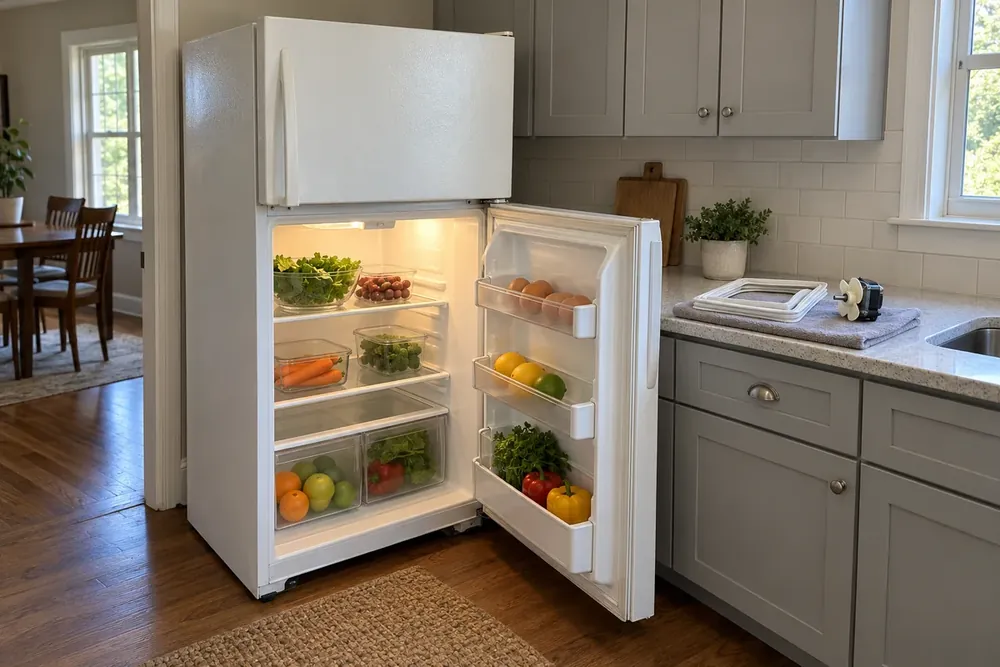
When groceries feel warm at breakfast, the decision to repair or replace your refrigerator starts with the failed part. An isolated wear part often makes repair sensible when the cabinet and remaining systems are sound. Major sealed-system damage or an unavailable board on an older machine can favor replacement. Call about the symptom; your technician checks the fault and explains what keeping the appliance involves.
Refrigerator Condition and Cooling Faults
When the fridge struggles again during dinner prep, repeated faults make its overall condition part of the decision. A fan, sensor or door seal may be worth replacing on an otherwise sound machine. A major cooling failure alongside cabinet damage deserves a broader comparison. Your technician checks the cause and outlines the work.
Whether it is cheaper to repair or replace a refrigerator depends on the diagnosed repair and the full replacement project. For a refrigerator, compare the repair with the work needed to replace it. Include delivery, installation, removal and changes needed for a different size. A repair comparison should also account for recent breakdowns.
Dishwasher Cleaning and Tub Condition
When dinner plates come out dirty again, whether to repair or replace a dishwasher depends on the wash fault and the tub's condition. A latch, seal or pump fault may be a contained repair. Serious tub damage or repeated failures on an older machine can favor replacing it. Your technician examines leakage and tests washing and draining.
Your technician compares the dishwasher repair with what it would take to replace the machine in the same cabinet opening.
Washer and Dryer Wear
When a washer leaves another load soaking, a failed drain pump or lid switch may be worth replacing if the tub and drum remain sound. Major tub damage or extensive bearing wear on an older unit changes the comparison. Your technician helps you decide whether to keep the washer after repair or replace a unit with several serious faults.
When towels stay damp after another cycle, a dryer belt or switch can be a practical repair. A failed motor plus repeated faults may favor replacement. Your technician checks heat, airflow and drum movement to establish the cause.
Whether it is cheaper to repair or replace a dryer depends on the confirmed fault, remaining condition and installation work. Compare the whole replacement project, including access to stacked units. Changing fuel type adds considerations beyond choosing another appliance.
Oven, Microwave, Freezer and Ice Maker Decisions
When an oven leaves dinner half cooked, a sensor, element or igniter fault can justify keeping an otherwise sound range. A damaged cooking cavity or discontinued control board on an older model changes that decision. Your technician tests the heating problem and considers access to a built-in oven.
When lunch stays cold in the microwave, the failed component and mounting arrangement affect the comparison. Major heating damage in a small countertop model may favor replacement, while a repairable fault in a fitted unit may justify keeping it. Leave the case closed for your technician.
When freezer packages soften or an ice bin stays empty, the cooling system and ice-making parts need separate checks. A failed fill valve does not alone justify replacing an entire refrigerator. Your technician identifies the fault before recommending the scope.
Appliance Condition at a Glance
When a broken appliance interrupts chores, its remaining condition helps decide whether replacing the failed part is sensible.
| Appliance | Usually worth repairing when | Usually time to replace when |
|---|---|---|
| Refrigerator | A fan or seal fails and cooling components are sound | An older unit has major sealed-system damage and other faults |
| Dishwasher | A latch or pump fails but the tub is sound | The tub is badly damaged or failures keep recurring |
| Washer | A pump or lid switch fails in an otherwise sound machine | An older unit has major tub or drum damage |
| Dryer | A belt or switch fails and the rest operates properly | Motor failure accompanies substantial wear and repeated faults |
| Oven and stove | A replaceable heating part fails in a sound appliance | Serious cavity damage or an unavailable board prevents a practical repair |
| Microwave | A contained fault is repairable and mounting favors keeping it | Major damage makes repair impractical for the model |
| Freezer | A seal or defrost part fails but cooling components are sound | An older unit needs major sealed-system work alongside other repairs |
| Ice maker | A fill valve or sensor fails | The assembly is badly worn and suitable repair parts are unavailable |
Age, Energy Use and Parts Supply
When an older appliance stops during the morning rush, its condition matters more than age alone. Parts that are no longer made can rule out a practical repair. Your technician checks replacement part options. Compare the current appliance's energy information with the proposed replacement, alongside installation and removal needs. One of our local appliance repair partners will explain the repair work and price before you authorize it.
Appliance Disposal Around Fairburn
When a replacement fridge arrives, the old appliance needs an arranged disposal route. Refrigerators, freezers and air conditioners containing refrigerant need it recovered before final disposal, as the EPA's safe disposal requirements explain. Have the removal service handle that work.
For local collection, the City of Fairburn General Services Department lists bulk pickup by arrangement through the city or GFL and accepts white goods with refrigerant removed. Arrange collection before setting an appliance out.
Pickup and drop-off rules differ between jurisdictions, as the EPA's appliance disposal page describes. Check your home's city or county page when planning disposal. Call about the appliance failure now; disposal arrangements belong to the replacement stage.